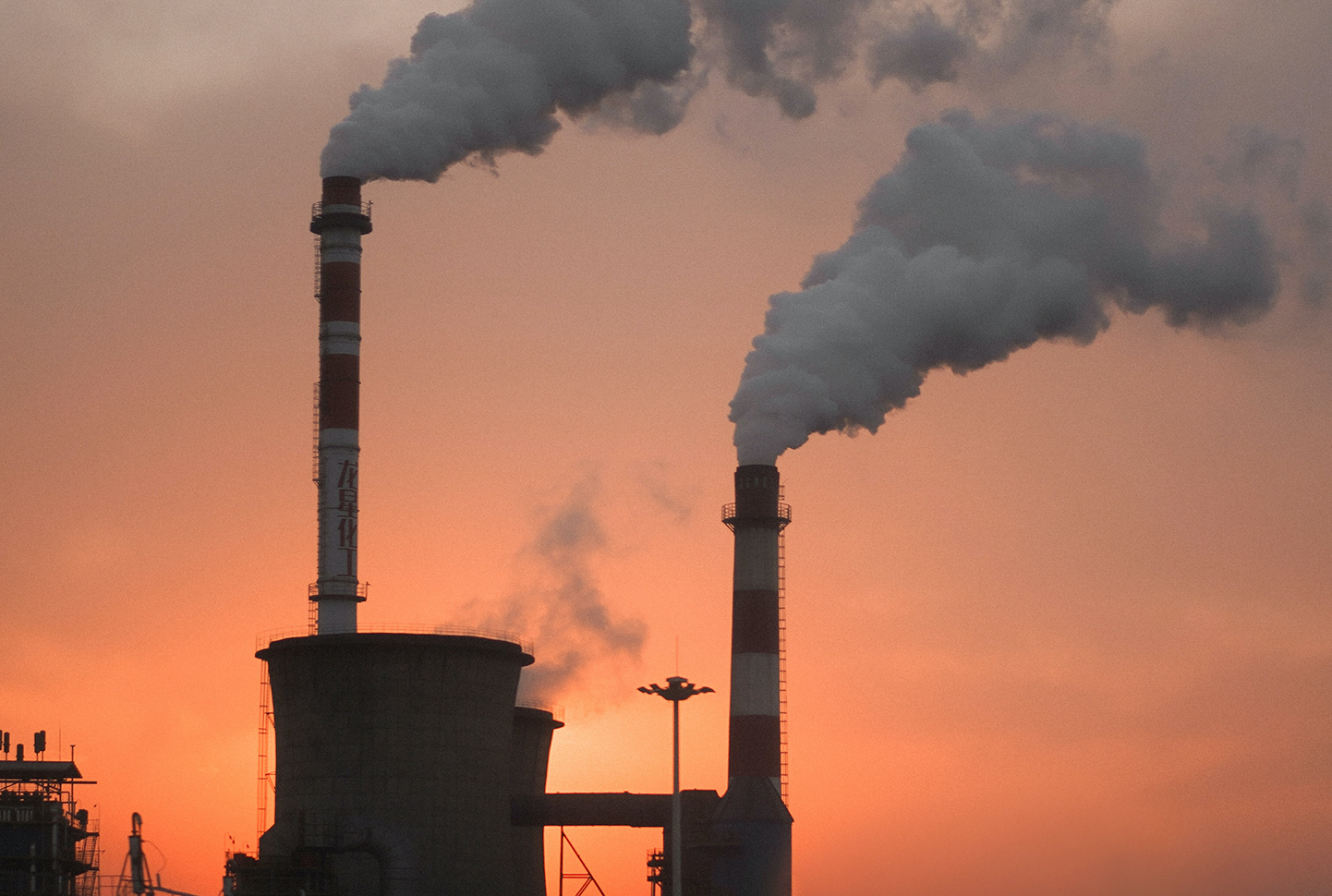
More than 50 million people around the world are currently living in modern slavery.
The Commission has a diverse global membership and leadership, with strong representation from both the Global South and the Global North. It operates independently from any government or international organisation and actively seeks fresh voices from outside the modern slavery sector.
The Commission complements and amplifies existing international collaborations on modern slavery and human trafficking to maximise their impact. It achieves this by partnering with other key actors in the field.
The Commission focuses on:
- Effective national implementation by states of their international commitments
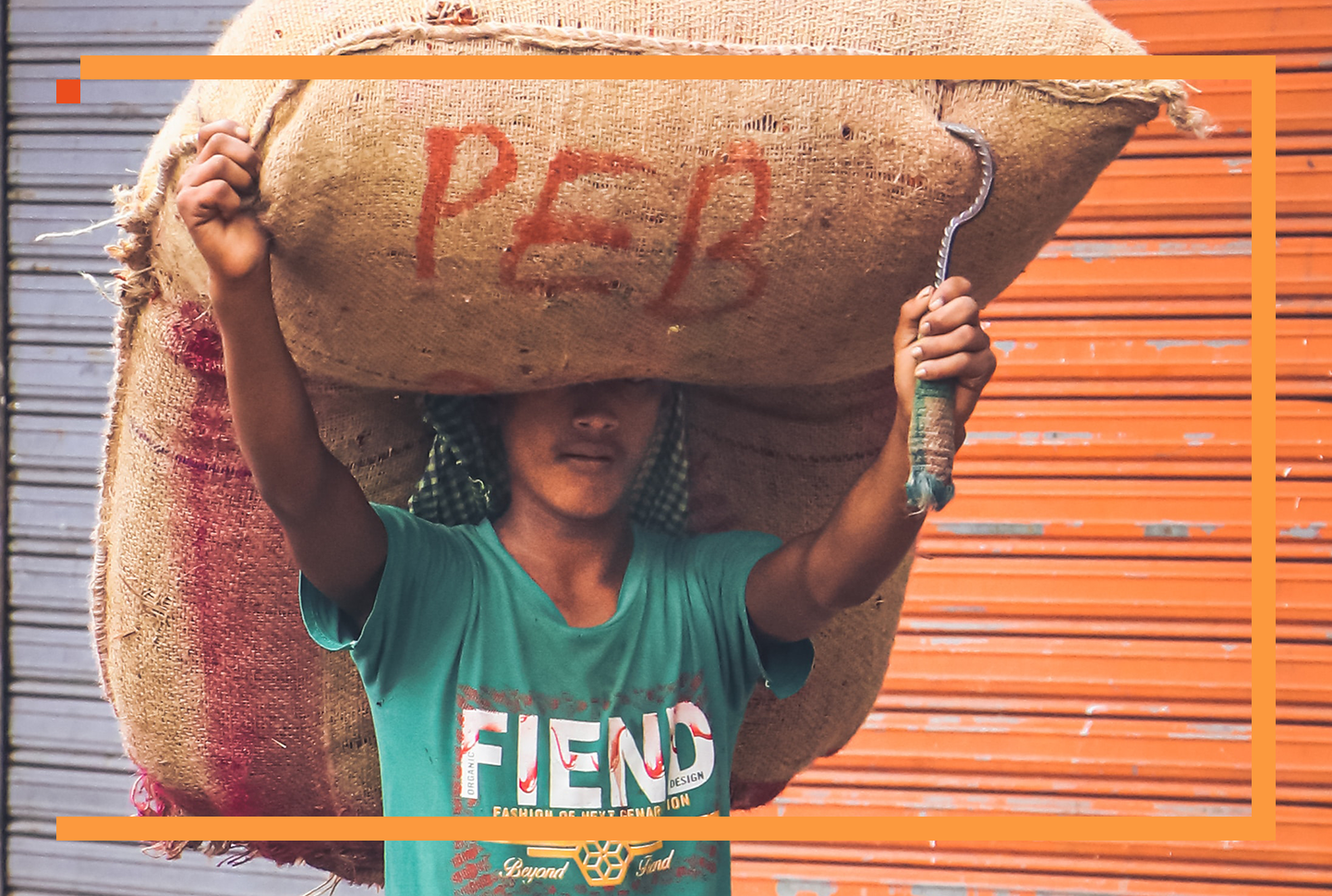
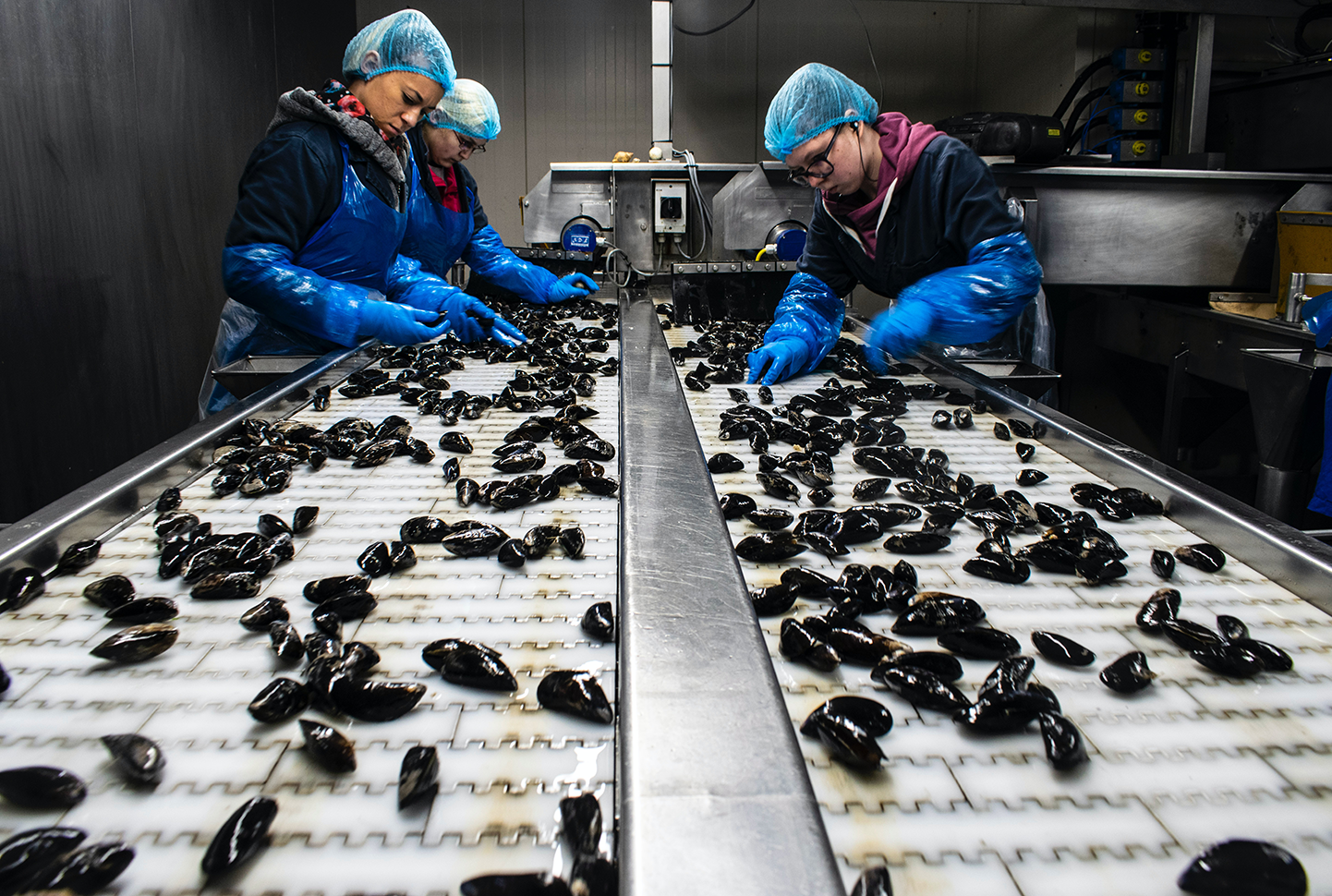
- Tackling forced labour in supply chains
- More effective engagement of civil society in crisis contexts
Our Story
In 2022, the Modern Slavery and Human Rights Policy and Evidence Centre was commissioned by The Office of Theresa May to conduct a scoping study examining the case for establishing a Global Commission on Modern Slavery and Human Trafficking.
The Scoping Study was funded by the UK Foreign, Commonwealth and Development Office. The team carrying out the Scoping Study met with more than 50 actors working to address modern slavery across the world.
The full Scoping Study is available to read here.
The Scoping Study report found that the Covid-19 pandemic, new and protracted armed conflicts and the direct effects of climate change have dramatically increased vulnerability to exploitation and modern slavery, yet there is a widespread sense that efforts to end modern slavery have lost momentum.
The Scoping Study concluded that there is a compelling need for a Global Commission on Modern Slavery and Human Trafficking.
The Commission was set up as a result of the scoping study and it's work was divided into two phases. Phase One culminated in a flagship report which was launched in April 2025 at the United Nations.
This report provides detailed recommendations and an action plan to states,
international organisations, businesses, and other stakeholders on how to
reverse the recent significant increase in modern slavery.
Now the Commission has entered its second phase, which focuses
on implementation where the Commission will put these recommendations
into practice.
What we do
The Commission aims to help eradicate modern slavery and human trafficking in three ways:
We provide global
leadership.
An inclusive Global Commission that brings together influential figures of renown from politics, civil society, business and research can restore lost momentum and catalyse action by states and other stakeholders.
We build the evidence
and knowledge base.
We help ensure that global efforts on modern slavery and human trafficking are better connected to the production of research and evidence, so that modern slavery laws, policies and practices are fully informed by the best research into the drivers of modern slavery and the best analysis as to what works.
We provide
practical support
We provide concrete tools, expertise, and opportunities for collaboration to support effective and sustained action. We work to strengthen the capacity of governments, civil society, and international partners to implement practical solutions, share learning, and build on one another’s strengths. Our approach is grounded in partnership, ensuring that collective efforts are coherent, coordinated, and impactful.
Who is supporting our work?
The Global Commission has been supported from the outset by its co-convenors, the United Kingdom and the Kingdom of Bahrain.